
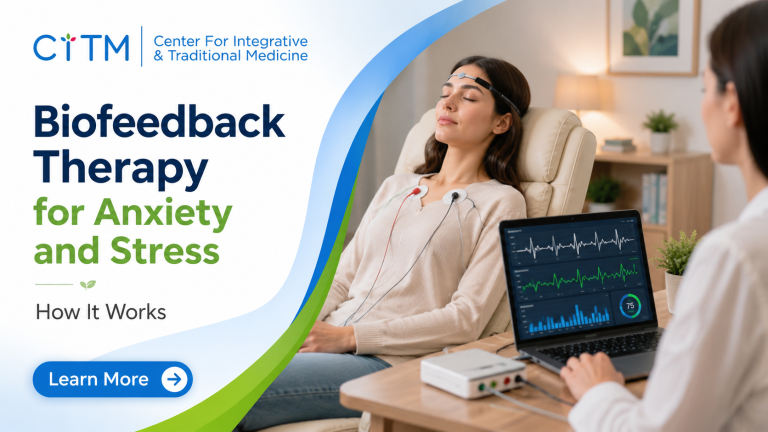
Biofeedback therapy for anxiety is the main approach that supports people staying alert about their body’s stress response which include physical processes such as breathing, skin temperature, heart rate or muscle tension.
Patients who are searching for stress management techniques in NJ, biofeedback therapy provides various healthcare options by consulting a professional healthcare doctor because if you begin practicing breathing and relaxation techniques it can help you by simply checking how your body responds to it.
Why Biofeedback Therapy Matters?
Biofeedback therapy is a mind-body technique that supports individuals knowing the body’s stress response. Also for specific physical activity it uses sensors & monitoring equipment which includes overall body function.
It updates about it shown through screen support to stay alert about what body changes are going on inside. Patients who are seeking biofeedback therapy that can be helpful to relax your body’s response by practicing ways.
How Biofeedback Supports You To Know About Body’s Stress Response?
Anxiety and Stress can impact your body’s natural physical response more than your feelings & thought process
Patients can experience physical response in their stressful situation which includes:
- Quick & less amount of breathing
- Rise in heart rate
- Muscle stiffness
- Sweating
- Changes in skin temperature
- Less calmness
When a person feels stressed, the body can enter a state of increased alertness. Breathing may become faster, the heart may beat more quickly, and muscles may become tense. Some people may also sweat more or notice changes in their hands and feet.

How Does Biofeedback Therapy Work for Anxiety?
When you are dealing with ongoing anxiety it begins with a rise in heart rate or fast breathing without a person realizing what is happening lately but biofeedback therapy supports patients with these physical changes and helps them respond.
In the biofeedback session, sensors gather updates about your body functions & reveal it as a graph or other visual signal. Individuals can practice breathing techniques from trained professionals in their guidance & see how your body responds.
Monitoring Physical Responses
Biofeedback session using sensors to track physical changes based on patients goals which involves heart rate, breathing patterns, muscle activity & much more.
Heart rate variability (HRV) biofeedback gets updates about a person’s heart beat while practicing controlled breathing & it also supports by lowering anxiety & stress based on different conditions of a person. Also it gives instant feedback about how the body is working which helps you about how the body is impacting your anxiety & stress levels.
Learning Controlled Breathing and Relaxation
The practitioner suggests breathing techniques based on physical changes going on inside a person’s body which involves diaphragmatic breathing, mindfulness, or progressive muscle relaxation.
Patients can practice breathing techniques rather than checking information on screen or graph because if the body is showing relaxed response then an individual can check for changes without guessing if these techniques are supporting.
Practicing Until the Response Becomes Easier
Biofeedback is a part of the learning process because some people start learning & start practicing breathing techniques by being aware about their early symptoms instead of staying dependent on equipment.
The main goal is to not control all physical changes rather than concentrating on creating practical skills that can be helpful during stressful days. That’s why biofeedback therapy is considered that helps with the body’s relaxation response alongside other stress management techniques in NJ.
Final Thoughts: Biofeedback Therapy for Anxiety Can Support Better Stress Management
Biofeedback therapy for anxiety offers real-time updates for any person’s physical changes such as breathing, heart rate, and muscle tension while teaching breathing techniques.
HRV biofeedback suggests that it can support self-reported stress and anxiety for some people because people are seeking for breathing techniques so biofeedback is a selective option to consult with a professional practitioner so that they give the right approach depending on a person’s symptoms & goals for overall wellness.
FAQs About Biofeedback Therapy for Anxiety
List down frequently answered questions given below:
Biofeedback is supported by managing stress which helps them teach by finding physical stress responses and practice breathing techniques.
Based on biofeedback therapy, sensors track your heart rate, muscle activity, skin temperature, or other physical responses.
Controlled or diaphragmatic breathing is used for biofeedback support people by checking their physical stress response.
Biofeedback supports people staying more aware of physical changes and learning stress management techniques.
Biofeedback therapy is safe but patients must consult their symptoms and treatment goals with a professional healthcare doctor with qualifications.
Stress management techniques can be learned and practiced at home during biofeedback but under qualified professional practitioner’s guidance.